Workplace safety doesn’t happen by accident—it’s built through consistent communication, awareness, and proactive risk management. Yet many teams treat toolbox talks as compliance rituals: rushed, repetitive, and forgotten by lunch. The result? Missed hazards, complacency, and preventable incidents.
The difference between effective and ineffective talks often comes down to topic selection. A well-chosen toolbox talk topic isn’t just relevant—it’s timely, actionable, and rooted in real job conditions. It sparks discussion, not silence. This guide outlines high-impact toolbox talk topics that drive behavioral change, reduce risks, and strengthen safety culture across industries.
Why Topic Choice Matters in Toolbox Talks
A poorly chosen topic—like “general safety” or “stay alert”—leads to disengagement. Workers tune out when content feels generic. In contrast, a targeted topic such as “preventing pinch-point injuries during equipment maintenance” immediately connects to real tasks and risks.
Real example: A crew at a mechanical contracting firm had three minor hand injuries in six weeks. Instead of defaulting to “hand safety,” the supervisor held a 10-minute talk on identifying pinch points during disassembly. The talk included photos from recent near-misses, a quick review of PPE, and a team walkthrough of the next day’s job. Zero hand injuries followed over the next three months.
The key is relevance. Choose topics that: - Address current job tasks - Reflect site-specific hazards - Respond to recent incidents or trends - Reinforce new procedures or equipment
When workers see the direct link between the talk and their next task, engagement—and safety—improves.
Top 10 High-Impact Toolbox Talk Topics
1. Hazard Recognition in Changing Conditions Conditions evolve daily—weather, staffing, equipment status. A talk focused on dynamic hazard identification trains teams to scan for risks before starting work.
Use case: A roofing crew discusses new wind forecasts before beginning tear-off. The talk covers securing materials, fall protection adjustments, and when to delay work. Key points: - Use the “pause, scan, assess” method - Encourage team members to call out changes - Reinforce stop-work authority
2. Proper Use and Inspection of Fall Protection Falls remain a leading cause of serious injury. Talks should go beyond “wear your harness” to cover inspection, anchor points, and rescue planning.
Common mistake: Workers inspect D-rings but ignore webbing fraying near stitching. Action item: Include a 2-minute harness check demo during the talk.
3. Lifting Techniques and Manual Handling Even in high-tech environments, manual lifting causes back injuries. Focus on body mechanics, team lifts, and mechanical aids.
Practical tip: Demonstrate how lifting from a 45-degree twist increases disc pressure by 40%. Engagement tactic: Ask team members to share a lifting injury they’ve seen or experienced.

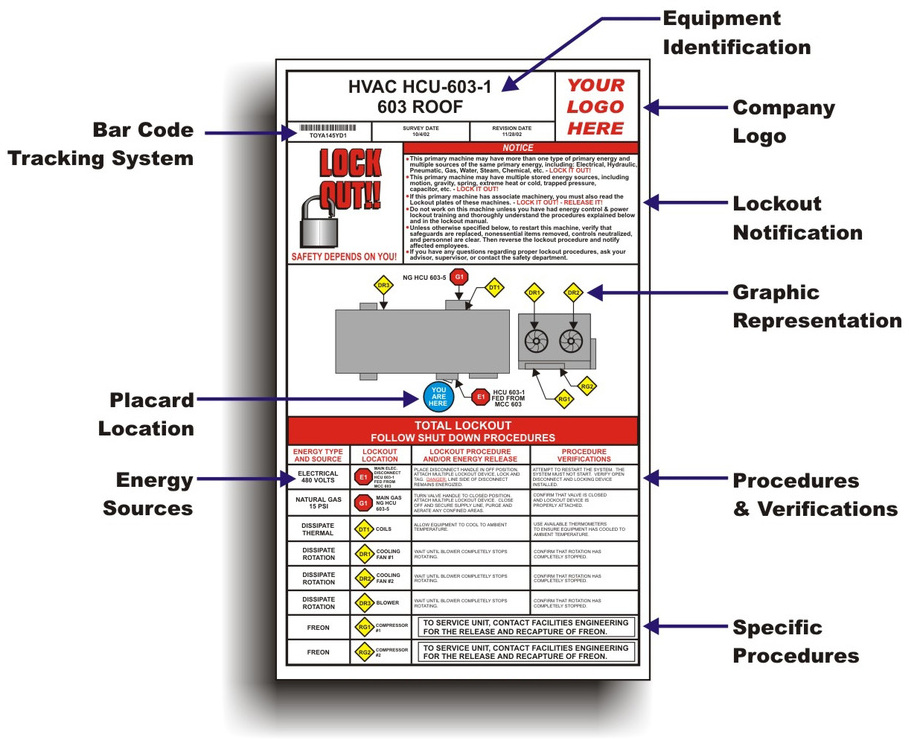
4. Lockout/Tagout (LOTO) Procedures Missteps during equipment servicing are deadly. A LOTO talk should clarify roles, energy sources, and verification steps.
Critical point: Emphasize that verifying zero energy isn’t optional—it’s the final, non-negotiable step. Scenario: “What if the electrician says it’s de-energized, but the motor hums faintly? What’s your next move?”
5. Weather-Related Safety Precautions Heat stress, icy surfaces, lightning—weather impacts safety across sectors. Tailor talks to seasonal and daily forecasts.
Example: In summer, discuss hydration schedules, buddy monitoring for heat illness, and shaded rest areas. Tool: Share OSHA’s heat index chart and action levels.
6. Equipment Pre-Use Inspections
Many incidents stem from equipment failure. A focused talk on pre-op checks reinforces accountability.
Checklist idea: - Fluid leaks - Guard integrity - Warning lights - Tire/tread condition (for mobile equipment)
Tip: Assign a rotating “inspector of the day” to build ownership.
7. Hot Work Safety Welding, grinding, cutting—these activities carry fire risks. Talks should cover fire watch, clearance, and emergency response.
Real gap: Teams often clear visible combustibles but miss hidden ones (e.g., insulation behind walls). Discussion prompt: “What’s something flammable we might overlook during a wall penetration?”
8. Slips, Trips, and Falls on Level Surfaces
Most fall prevention focuses on height, but same-level falls cause significant lost-time injuries.
Focus areas: - Housekeeping discipline - Proper footwear - Cable and hose management - Lighting in walkthrough areas
Stat to share: Over 25% of slip/trip incidents occur during routine movement, not complex tasks.
9. Communication in High-Noise Environments Verbal cues get lost around heavy machinery. Talks should address hand signals, radios, and visual alerts.
Scenario drill: “If I can’t hear you, how do you get my attention without shouting?” Best practice: Standardize hand signals across crews.
10. Mental Fatigue and Situational Awareness Fatigue impairs judgment just like alcohol. Use talks to normalize discussions about mental state.
Sensitive approach: Frame it as “performance awareness,” not “are you tired?” Discussion starter: “What are early signs you’re losing focus? What helps you reset?”
Customizing Topics to Your Worksite
A one-size-fits-all approach fails. A warehouse team doesn’t need excavation shoring talks, and a utility crew won’t benefit from forklift load charts.
Tailor topics using this framework:
| Industry | Relevant Topics |
|---|---|
| Construction | Trench safety, scaffold integrity, crane hand signals |
| Manufacturing | Machine guarding, chemical handling, confined space entry |
| Utilities | Arc flash awareness, underground line marking, dig safety |
| Facilities | Electrical panel access, ladder safety, spill response |
| Transportation | Pre-trip inspections, blind spot awareness, fatigue management |
Pro tip: Build a 30-day topic calendar aligned with upcoming jobs. If you’re starting a demolition phase, schedule talks on debris handling, PPE upgrades, and dust control.
How to Make Talks Engaging (Not Eye-Rolling)

Even the best topic can fall flat with poor delivery. Avoid monotone lectures. Instead:
- Start with a question: “Who here has seen a near-miss with mobile equipment this week?”
- Use visuals: Show a photo of a damaged harness or a poorly stacked pallet.
- Involve the team: “John, what’s your go-to tip for staying aware during long shifts?”
- Keep it short: 8–12 minutes is ideal. Respect their time.
- End with action: “Today, let’s all do a double-check on our anchor points before climbing.”
Red flag: If only the supervisor talks, you’re not having a toolbox talk—you’re giving a memo.
One electrical contractor reduced near-misses by 60% simply by switching from monologue to dialogue. Workers began raising concerns they’d previously kept silent.
Avoiding Common Topic Pitfalls
Even experienced safety leads make these mistakes:
- Overusing broad topics: “Safety is everyone’s responsibility” doesn’t change behavior. Be specific.
- Ignoring near-misses: A dropped tool or tripped cable is a free lesson. Use it.
- Repeating the same topics monthly: Workers notice. Rotate and refresh.
- No follow-up: After a LOTO talk, audit compliance the next week. Close the loop.
Reality check: A toolbox talk isn’t a checkbox. It’s a tool for real-time risk mitigation. If it doesn’t lead to visible changes, it’s not working.
Closing: Turn Topics into Action
Great toolbox talks don’t just inform—they inspire action. Choose topics that matter today, not just those that sound good on paper. Link each talk to the work about to happen. Encourage questions. Document briefly, but prioritize dialogue over paperwork.
Start next week with a focused topic: not “eye protection,” but “when regular safety glasses aren’t enough—impact vs. chemical vs. UV.” Bring examples. Let workers hold the gear. Answer real questions.
Safety grows in moments of connection, not compliance. Pick your next topic with purpose—and watch engagement rise.
Frequently Asked Questions
What makes a good toolbox talk topic? A good topic is specific, timely, relevant to current tasks, and prompts discussion. Avoid vague themes like “be safe.”
How often should toolbox talks be held? Weekly is common, but frequency should match risk level. High-risk jobs may need daily talks.
Can toolbox talks reduce incidents? Yes, when done well. Effective talks improve hazard awareness and reinforce safe behaviors, reducing both frequency and severity of incidents.
Should toolbox talks be documented? Yes. A brief log with date, topic, attendees, and key points ensures accountability and supports safety audits.
Who should lead the talk? Supervisors typically lead, but rotating team members fosters ownership and diverse perspectives.
How long should a toolbox talk last? Aim for 8–12 minutes. Long enough to cover essentials, short enough to maintain attention.
Can toolbox talks be informal? They should be conversational, but not unstructured. Have a clear topic, goal, and takeaway.
FAQ
What should you look for in Essential Toolbox Talk Topics for Safer Workplaces? Focus on relevance, practical value, and how well the solution matches real user intent.
Is Essential Toolbox Talk Topics for Safer Workplaces suitable for beginners? That depends on the workflow, but a clear step-by-step approach usually makes it easier to start.
How do you compare options around Essential Toolbox Talk Topics for Safer Workplaces? Compare features, trust signals, limitations, pricing, and ease of implementation.
What mistakes should you avoid? Avoid generic choices, weak validation, and decisions based only on marketing claims.
What is the next best step? Shortlist the most relevant options, validate them quickly, and refine from real-world results.